Platforms

A practical overview of consoles, VR headsets, camera systems, and mobile setups that matter most for movement-focused gaming.

Nintendo Switch
console

Nintendo Switch

A flexible starting point for rhythm, guided exercise, and approachable motion gaming.

Motion support: joy-con motion controls and accessory-based fitness play

Accessibility focus: Simple setup, family-friendly UX, and strong support for movement-led commercial games.

Buying notes: Easy to buy new and common on the second-hand market.

rhythm boxing guided-exercise party-play
Open page
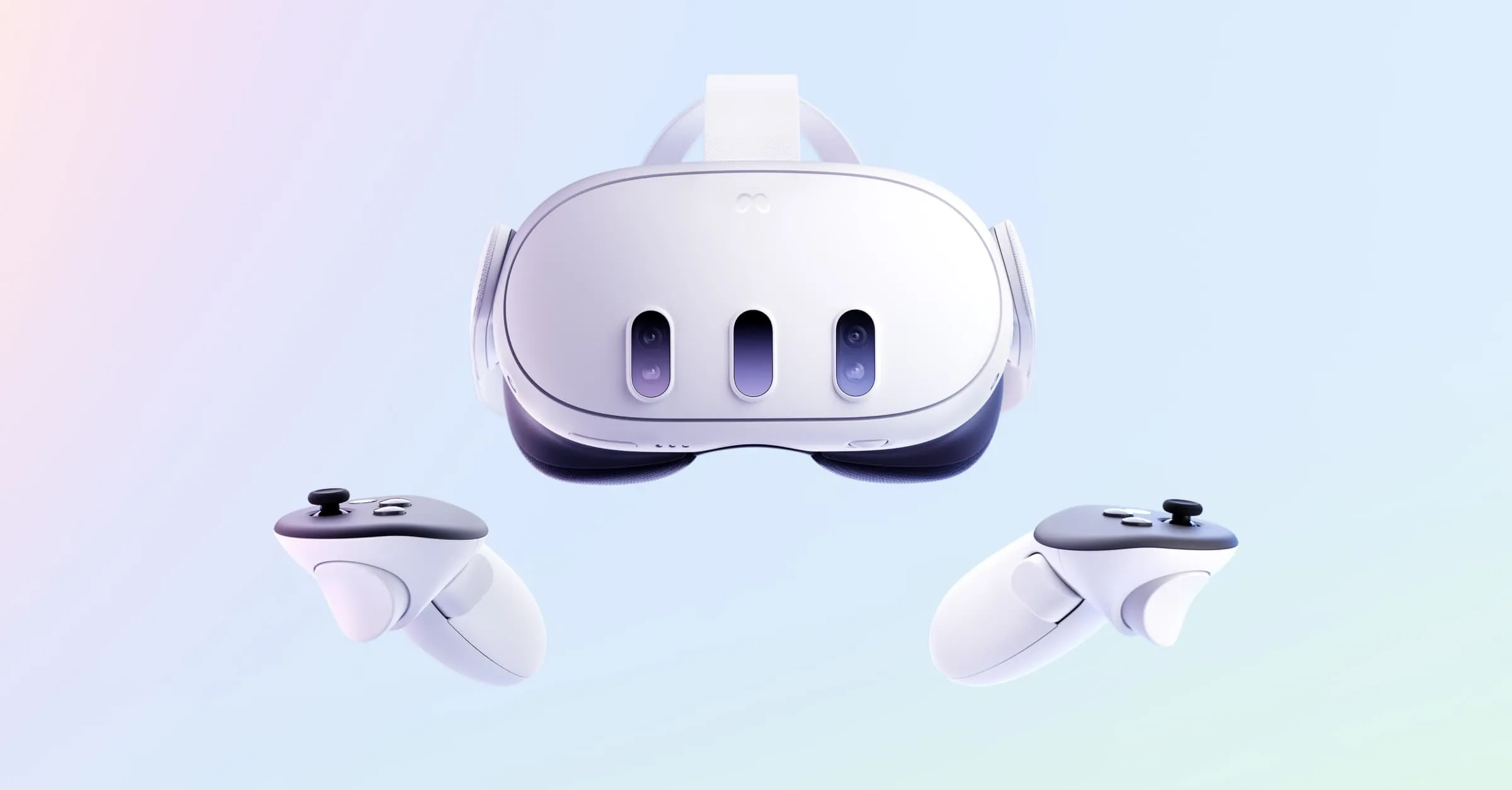
Meta Quest
vr

Meta Quest

A strong VR option for immersive rhythm and guided movement, with higher setup and safety demands.

Motion support: room-scale VR with tracked controllers and some hand-tracking

Accessibility focus: High immersion and strong rhythm or fitness options, but needs more space and stronger safety guidance.

Buying notes: Widely available new; accessory ecosystem changes over time.

upper-body rhythm dual-task vr-fitness
Open page
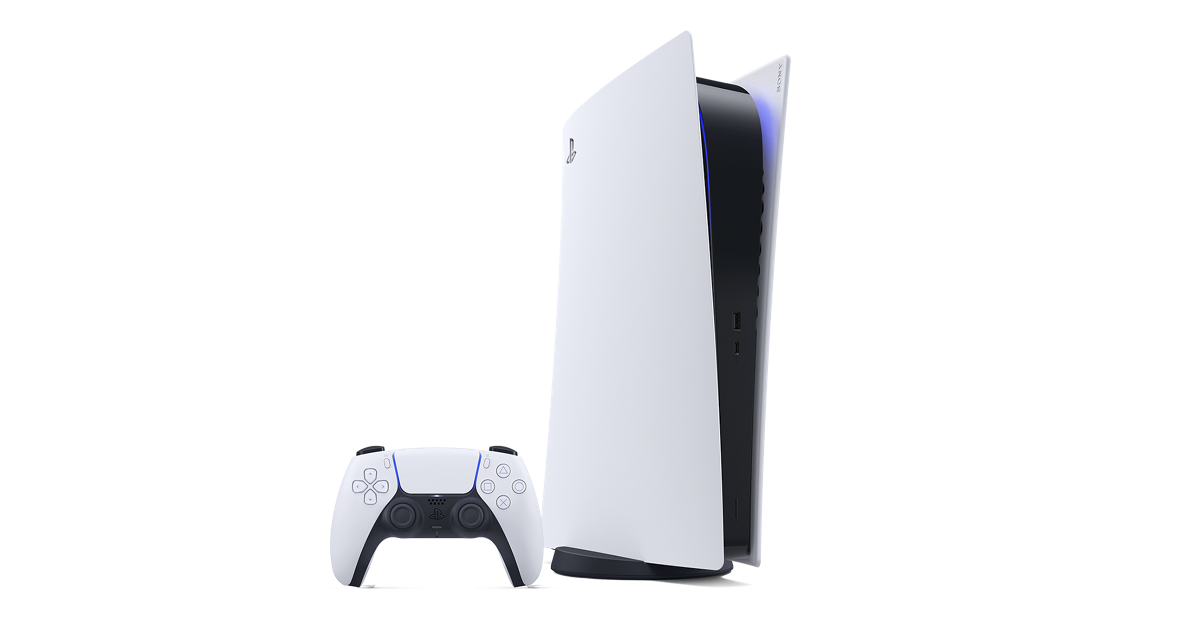
PlayStation 5
console

PlayStation 5

A polished mainstream console with a good path into both conventional and VR gaming.

Motion support: standard controller play, with PS VR2 as an adjacent add-on path

Accessibility focus: Good for conventional controller gaming and some motion-led extensions through the wider ecosystem.

Buying notes: Premium hardware with a stable retail presence.

controller-play cognitive vr-upgrade-path
Open page
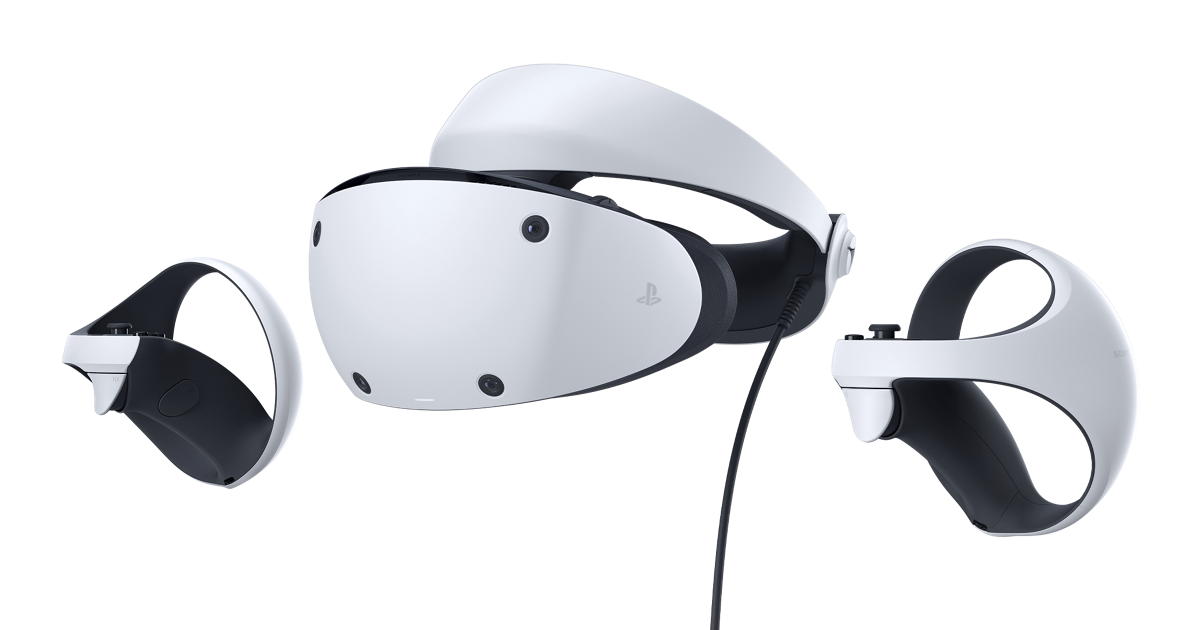
PlayStation VR2
vr

PlayStation VR2

A console-tied VR route with a tighter hardware setup than open PC VR.

Motion support: headset and tracked controllers for seated or standing VR

Accessibility focus: More curated than open PC VR, but still demands careful safety framing.

Buying notes: Accessory-bound to PlayStation 5.

vr upper-body guided-play
Open page
Xbox Series
console

Xbox Series

A conventional console route with especially strong adaptive-controller potential.

Motion support: standard controller play and compatibility with adaptive controller workflows

Accessibility focus: Useful as part of an adaptive setup, especially when paired with Xbox accessibility hardware.

Buying notes: Current-generation Xbox hardware with solid game-pass style access.

adaptive-access controller-play
Open page
Xbox Kinect
legacy-motion

Xbox Kinect

Older hardware, but still important because camera tracking removes the need to grip a controller.

Motion support: camera-based body tracking without handheld controllers

Accessibility focus: Still highly relevant editorially because camera input removes the grip barrier and appears often in Parkinson's research.

Buying notes: Legacy hardware, mostly second-hand, with setup quirks.

camera-tracking balance no-controller research-heavy
Open page
PC / Steam
pc

PC / Steam

The most flexible route, especially for custom setups, accessibility software, and VR.

Motion support: broad compatibility from keyboard to VR to adaptive accessories

Accessibility focus: Most flexible platform, but also the most complex to set up and maintain.

Buying notes: Often best for tinkerers or caregiver-supported setups.

flexibility adaptive-access vr indie-games
Open page
iOS / Android
mobile

iOS / Android

The easiest low-friction route for calm, seated, touch-based play.

Motion support: touch, tablet, and phone-based interaction with very low setup friction

Accessibility focus: Excellent for seated use, cognitive play, and situations where specialised hardware is unrealistic.

Buying notes: Usually the easiest route because many people already own a compatible device.

cognitive fine-motor low-friction seated-play
Open page